
Authorized dealer · Certified installers · Charlotte, NC headquarters
360 Technology Group is an authorized LTS dealer and certified installer
We have been selling, installing, programming and servicing LTS systems across North and South Carolina since 2018 — more than 8 years. Our scope covers LTS Platinum network cameras, PTZ and LPR models, NVR, DVR and VMS storage, LTS Connect and NVMS software.
- Authorized LTS dealer — we quote and supply genuine LTS equipment, licensing and subscriptions.
- Certified LTS installers — our technicians install, wire, program, commission and document the system.
- Repair and takeover — we service, troubleshoot, expand and take over existing LTS installations we did not originally install.
- 24/7 emergency service — on-call service technicians for emergency repairs, plus scheduled preventive maintenance.
We cover every city in North Carolina and South Carolina from our Charlotte headquarters. Request a quote or service call Call 704-726-4254
North Carolina and South Carolina planning guide
LTS Product Catalog
A defensible LTS Product Catalog decision starts with the facility, the people operating the system and the evidence required at acceptance. This guide separates published product-family topics from the site-specific engineering decisions that determine whether the solution is appropriate.
Start with the decision, not the catalog
360 Technology Group evaluates LTS Product Catalog as part of a complete video-surveillance and evidence-management system. The recommendation should follow a field-verified problem statement, not a presumption that every published feature belongs in the project.
Discovery documents the current equipment, affected users, desired workflows, required integrations, security and privacy expectations, project constraints and measurable acceptance criteria. That evidence creates a fair basis for comparing reuse, migration and replacement.
For Carolina facilities, the scope should also account for occupied work areas, weather exposure, lightning and surge conditions, local construction coordination, network readiness, service access and the owner’s long-term administration model.
Detailed product and planning guides
Each card below opens a published guide with deeper product-family, design or implementation information.
LTS
Open the detailed product, design or implementation guide.
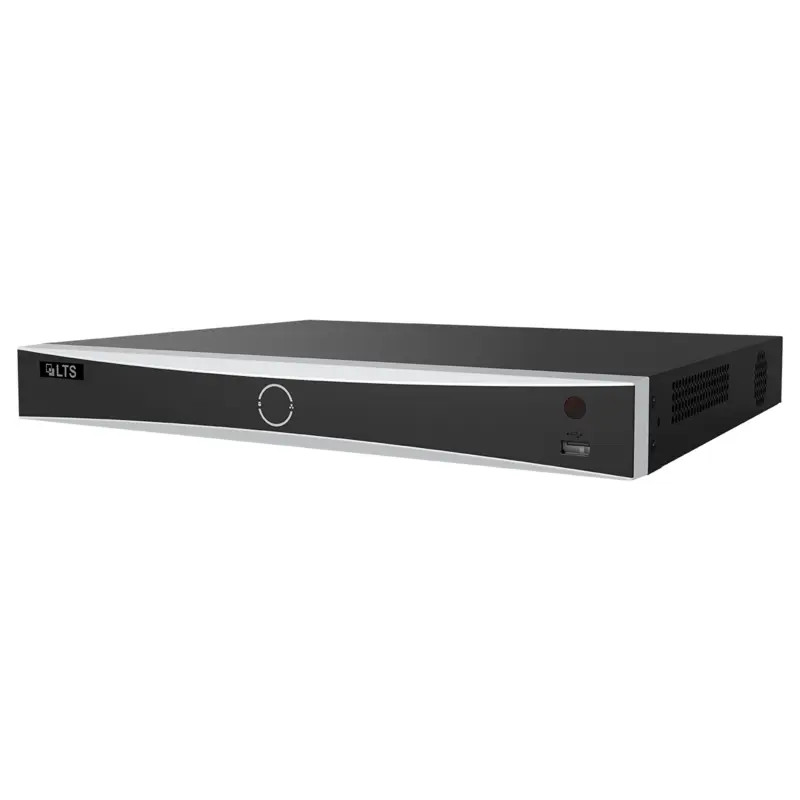
LTS NVR, DVR, VMS and Storage Design
Open the detailed product, design or implementation guide.
LTS Platinum Network Cameras, PTZ and LPR
Open the detailed product, design or implementation guide.
Capabilities and selection checkpoints
The cards in this section summarize information to evaluate; they are not separate pages. Availability and compatibility can change, so final models and releases must be confirmed against current manufacturer resources.
Product capabilities worth comparing
Treat this as a design checkpoint; the final selection depends on field conditions and supported releases.
Certified LTS Product Catalog Design, Installation and Support
Confirm which current models, editions, licenses and dependencies support this requirement before procurement.
What a complete project can include
Connect this capability to a named user workflow and a testable result at the actual facility.
On-site assessment and review of existing infrastructure
Document who configures, tests, administers and supports this function after the project is accepted.
System design, equipment selection and written project scope
Confirm which current models, editions, licenses and dependencies support this requirement before procurement.
Cabling, mounting, termination, configuration and integration
Compare retained equipment, migration effort, subscription impact and replacement options for this topic.
Device-by-device testing, labeling and project documentation
Treat this as a design checkpoint; the final selection depends on field conditions and supported releases.
Administrator orientation, user training and support planning
Review compatibility, capacity, infrastructure and lifecycle implications with the complete system design.
Decisions to document before procurement
Confirm which current models, editions, licenses and dependencies support this requirement before procurement.
Confirm camera, VMS, analytics and third-party integration compatibility by current software release.
Treat this as a design checkpoint; the final selection depends on field conditions and supported releases.
Model bandwidth, PoE capacity, uplinks, remote viewing and cybersecurity controls with the network team.
Document who configures, tests, administers and supports this function after the project is accepted.
Define privacy zones, user permissions, export procedures, evidence handling and retention policy.
Treat this as a design checkpoint; the final selection depends on field conditions and supported releases.
Evidence to collect before design
A useful survey and stakeholder review should produce the following project evidence for LTS Product Catalog:
- Scene objectives for every camera, including identification detail, direction of travel and operating hours.
- Day, night, backlight, glare, weather, vibration, privacy and mounting conditions at each location.
- Retention period, recording mode, resolution, frame rate, failover and export requirements.
- PoE load, switching, uplinks, bandwidth, storage, remote access and network-security constraints.
- VMS, analytics, access control, alarm, intercom and third-party integration expectations.
- User permissions, evidence handling, health monitoring, software support and replacement planning.
Architecture and integration review
Image objective
Specify the event and visual detail the camera must capture instead of selecting resolution in isolation.
Recording architecture
Calculate storage, retention, failover and export needs for the complete camera count.
Network design
Validate PoE, bandwidth, segmentation, time services, remote access and monitoring with IT.
Analytics use
Connect each analytic to a response workflow and test it under representative site conditions.
Privacy and evidence
Document viewing rights, exports, retention, audit history and applicable organizational policy.
Lifecycle support
Track model status, firmware, VMS compatibility, licenses, warranties and replacement options.
Compare proposals on the same evidence
Product names and device counts do not make competing proposals equivalent. Ask each bidder to identify assumptions, exclusions, supported versions, owner responsibilities and the proof that will be delivered at acceptance.
| Comparison area | Evidence a complete proposal should provide |
|---|---|
| Fit for the operating need | A written explanation of how LTS Product Catalog supports the required users, events and workflows. |
| Compatibility | A supported-parts, software, license and integration matrix tied to the proposed architecture. |
| Infrastructure | Documented power, network, pathways, environmental and owner-furnished dependencies. |
| Acceptance | Named tests, expected results, exception handling and responsibility for correcting deficiencies. |
| Lifecycle | Current support status, update approach, warranty, subscriptions, spares and replacement planning. |
Deployment and acceptance sequence
- Discovery: agree on users, operating outcomes, retained systems, constraints and acceptance criteria.
- Field validation: verify dimensions, infrastructure, environmental conditions, pathways, power, network and integration points.
- Documented design: name the architecture, supported components, licenses, responsibilities, assumptions and change process.
- Staging and implementation: prepare configuration, backups, labels and test scripts before controlled field deployment.
- Operational acceptance: exercise normal use, exceptions, outages and recovery; then deliver training and system records.
Software, firmware and lifecycle responsibility
Record the installed model, hardware revision, software or firmware release, license or subscription, warranty and administrator ownership at handoff. Those details make later troubleshooting and upgrade planning materially safer.
Downloads, release notes, advisories and manuals should come from the manufacturer’s official portal. 360 Technology Group links to official resources and does not host firmware files locally. Some portals require an authorized customer, dealer or support entitlement.
Before any update, confirm the exact model and region, prerequisites, supported intermediate releases, backup, maintenance window, integration compatibility, rollback limits and post-update test plan. Cloud-managed products may control release timing differently from locally managed systems.
Build a project-specific comparison
Share the facility type, Carolina location, existing platform, approximate device count, operating problem, required integrations and target schedule. 360 Technology Group can use that context to determine whether LTS Product Catalog deserves a detailed site and design review.
LTS owner, administrator and buyer resources
Use these LTS guides to connect software, firmware, camera, recorder and pricing research with surveyed installation, commissioning, maintenance and support in North and South Carolina.
Official LTS Security software, firmware and support
Use these manufacturer-owned portals for current downloads, release notes, manuals, advisories and technical resources. 360 Technology Group links to official sources and does not copy or host firmware files.
Update carefully: confirm the exact model, region, hardware revision, installed version, prerequisites, required intermediate releases, support entitlement, integrations, backup, maintenance window, rollback limitations and post-update tests. The wrong package or sequence can interrupt service or prevent a downgrade.
Some portals require a customer, dealer, certified-technician or active-support login. Cloud-managed products may update automatically and may not offer a public firmware file.